
UpFront Ideas! Predictions for workers comp in 2026
The first few

Jay and I are splitting this year’s forecast into two sections - mine focuses on typical drivers most important of which is employment. Jay handles AI, which will definitely make its presence felt. His post goes up tomorrow.
Net is employment isn’t looking good plus there’s nothing on the horizon indicating the business environment is going to return to anything like normalcy.
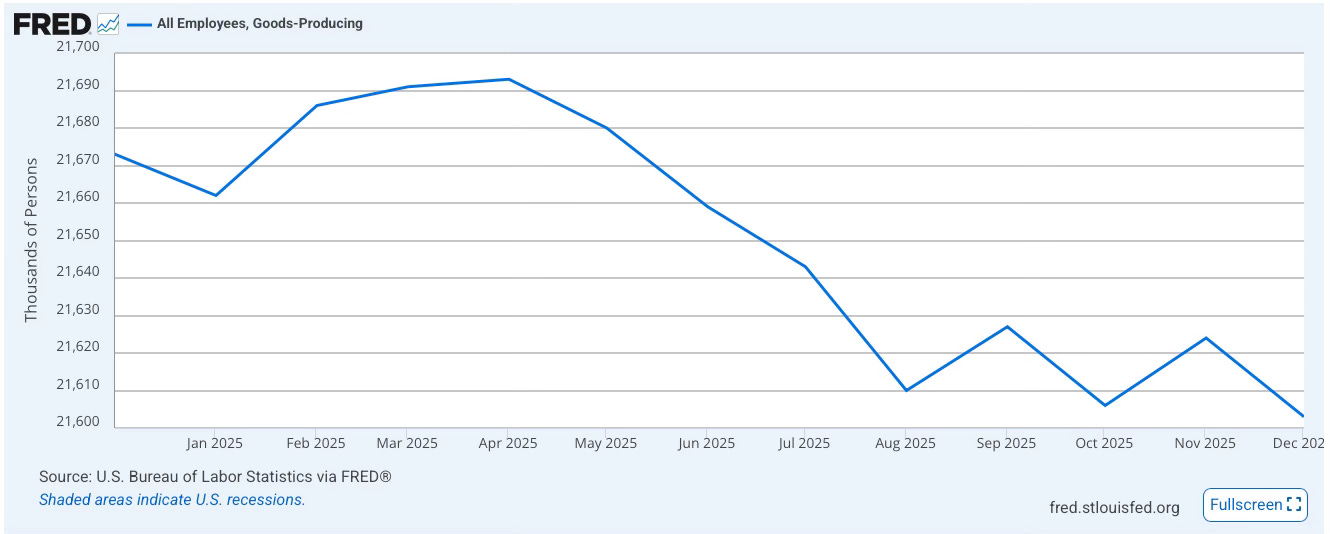
Expect premium rates to continue to drop - except in the Golden State and maybe Nevada.
driven by flat employment, carriers’ and their owners’ drive for market share, coupled with a slowdown in construction and extractive industries due to low energy prices
wage inflation seems to have flattened out as people aren’t leaving old jobs or getting new ones
Several big WC service companies will test the investment waters this year. My take is valuations won’t reach the heights of a few years ago - and thus sales may not happen - because
the bigger you get, the harder it is to keep meaningfully increasing profits, and
the bigger you are, the more you are affected by structural issues in work comp, and
higher interest rates mean buyers will have to pay more for debt service which reduces future profitability.
that said I do believe there’s still a lot of growth to be had for companies with the right leadership, product/service offering and brand…but there are few indeed with all three of those necessities.
Facility services and costs are going up
Continued provider/health system consolidation coupled with
a first in many years - major increase in the uninsured population who will use the ER for healthcare, driving up facility bad debt.
Drug costs are ratcheting up as well
physician dispensing and its awful cousins are once again getting worse,
possible upsurge in opioid prescribing due in large part to SAMSHA cuts and
defunding of other federal programs and more claimants seeking GLP-1s
Expect increased home health care costs and decreased availability of HHC due to immigration raids and attendant impact on aide availability
Especially for employers in rural areas, we’ll see significant growth of remote patient care driven by access issues and rapid adoption of technology-supported healthcare
While unlikely to offset structural factors driving down claim frequency, increased claim frequency in states without heat protection regulations is growing more and more likely.

What does this mean for you?
Fortune favors the prepared mind - and the insightful one.
(apologies to Louis Pasteur).